Using a chainsaw for the first time can feel intimidating. The sound, weight, sharp chain, and speed of the tool can make even a simple job feel bigger than expected.
That is why safety should come before cutting. If you are learning how to use a chainsaw, start with the basics: how the tool works, what safety gear you need, and which jobs are better left to a trained professional. This beginner chainsaw guide explains the foundations of safe chainsaw operation without rushing you into risky work.
How Does a Chainsaw Work?
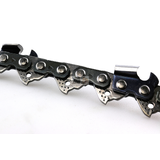
A chainsaw cuts with a fast-moving chain that runs around a guide bar. The guide bar is the long metal arm at the front of the saw, and the chain has sharp cutting teeth that move around it.
Most chainsaws have a throttle that controls the chain speed. Petrol models use an engine, while electric and battery models use a motor.
A chain brake is one of the main safety features. It is made to stop the chain quickly in certain situations, including some kickback events.
The kickback zone is near the upper tip of the guide bar. If this area touches wood or another object, the saw can react suddenly. This is one of the main reasons beginners need to learn safe handling before cutting.
Choosing the Right Chainsaw for Beginners
The best beginner chainsaw is usually not the biggest one. Choosing the right chainsaw depends on the work you plan to do, how often you’ll use the saw, and how much weight you can safely control.
For many home jobs, a smaller electric or battery chainsaw can be easier to handle than a large petrol model. These saws are often lighter, quieter, and simpler to maintain.
Petrol chainsaws can be useful for heavier work, but they need more care, fuel mixing, and handling skill. If you are new to using a chainsaw, avoid oversized saws until you have proper training and experience.
Look for:
- A suitable bar length for small jobs
- A manageable weight
- A good chain brake
- Low vibration features
- Clear safety instructions
- A model made for homeowner use
If the job feels too large for the saw, it is probably too large for a beginner, too.
Essential Chainsaw Safety Gear
Never use a chainsaw without proper safety gear.
At a minimum, you should wear:
- Chainsaw gloves
- Eye protection
- Hearing protection
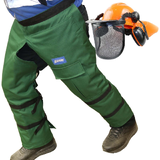
- Chainsaw chaps or chainsaw pants
- Steel-capped boots
- A helmet, especially when working near branches
A face shield can also help protect against flying chips and debris.
This gear does not make chainsaw work risk-free, but it can reduce the chance of serious injury. Think of it as part of the tool, not an optional extra.
How to Start a Chainsaw Safely
Before starting any chainsaw, read the owner’s manual for that exact model. Different brands and models can have different controls.
A safe start begins before the engine or motor runs. Check the area. Keep people, pets, and obstacles away. Make sure the chain brake is engaged. Place the saw on stable ground if the manufacturer recommends a ground start.
Do not drop-start a chainsaw. This means starting it while holding it in the air or letting it fall away from your body. It is unsafe and can lead to loss of control.
Cold starts and warm starts can differ, especially with petrol chainsaws. Your manual will explain the right process for your saw.
If you are unsure, ask a trained adult, dealer, or professional to show you before you try.
How to Use a Chainsaw Safely
Learning how to use a chainsaw safely starts with control.
Hold the saw with both hands. Keep a firm grip. Stand with a balanced footing. Do not cut above shoulder height. Keep your body out of the direct cutting line.
Stay focused the whole time. Chainsaw work is not something to do when you are tired, distracted, or in a rush.
Before cutting, look at the wood. Check for movement, tension, dirt, nails, stones, or anything that could affect the chain. Keep bystanders well away from the work area.
If you feel unsure at any point, stop.
That is one of the best beginner chainsaw tips. Stopping is better than forcing a cut you do not understand.
Basic Chainsaw Techniques Beginners Should Know
Cutting Small Branches
Small branches may look easy, but they can still move, pinch the chain, or spring back.
Beginners should only work on small, stable branches at ground level. Avoid overhead branches, storm-damaged branches, and branches under tension.
Cutting Logs Safely
Logs should be stable before cutting. If a log can roll, shift, or drop, it can create a dangerous situation.
Use proper supports where suitable, and never use your foot to hold timber in place. Keep the chain away from soil, rocks, and concrete, as these can dull it quickly.
Avoiding Kickback
Kickback is one of the biggest risks in chainsaw operation.
Avoid touching the upper tip of the guide bar against wood or other objects. Keep both hands on the saw. Do not overreach. Do not cut above shoulder height.
A chain brake helps, but it cannot remove the risk completely.
Let the Saw Do the Work
A chainsaw should cut with steady control. You should not need to force it.
If the saw is not cutting well, the chain may be dull, loose, dirty, or poorly lubricated. Stop and check the saw before continuing.
Common Chainsaw Mistakes Beginners Make
Many beginner mistakes come from rushing.
- Common mistakes include:
- Cutting one-handed
- Using a dull chain
- Standing on unstable ground
- Cutting above shoulder height
- Working too close to other people
- Letting the chain touch the ground
- Using poor chain tension
- Ignoring the manual
- Trying to cut storm-damaged trees
- Using the wrong saw for the job
These mistakes can turn a simple job into a dangerous one. Take your time, start small, and do not treat chainsaw work like normal garden clean-up.
Chainsaw Maintenance Basics
A well-maintained chainsaw is safer and easier to use.
Beginner maintenance includes:
- Keeping the chain sharp
- Checking chain tension
- Using the correct bar and chain oil
- Cleaning the saw after use
- Checking bolts, covers, and guards
- Looking for damaged parts
Following the service schedule in the manual
A blunt chain is a common problem. It can make the saw harder to control and increase fatigue. If you do not know how to sharpen a chain correctly, get help from a professional or your local chainsaw dealer.
When You Should NOT Use a Chainsaw Yourself
Some jobs are not beginner jobs.
Do not use a chainsaw yourself for:
- Large tree removal
- Storm-damaged trees
- Overhead cutting
- Trees near power lines
- Unstable or leaning trees
- Work from ladders
- Jobs in bad weather
- Work when you are tired
- Branches under heavy tension
These jobs can change quickly and become dangerous. Call a qualified arborist or trained professional instead.
Final Chainsaw Tips for Beginners
The best chainsaw tips for beginners are simple: slow down, wear the right gear, read the manual, and start with small, low-risk jobs.
Confidence comes from preparation and patience. Respect the tool, keep your focus, and avoid any job that feels beyond your skill level.
A chainsaw can be useful, but it should never be treated casually. Safe habits matter every single time.