

Getting Acquainted With Your Chainsaw Chain Breaker
Date Posted: 3 October 2022
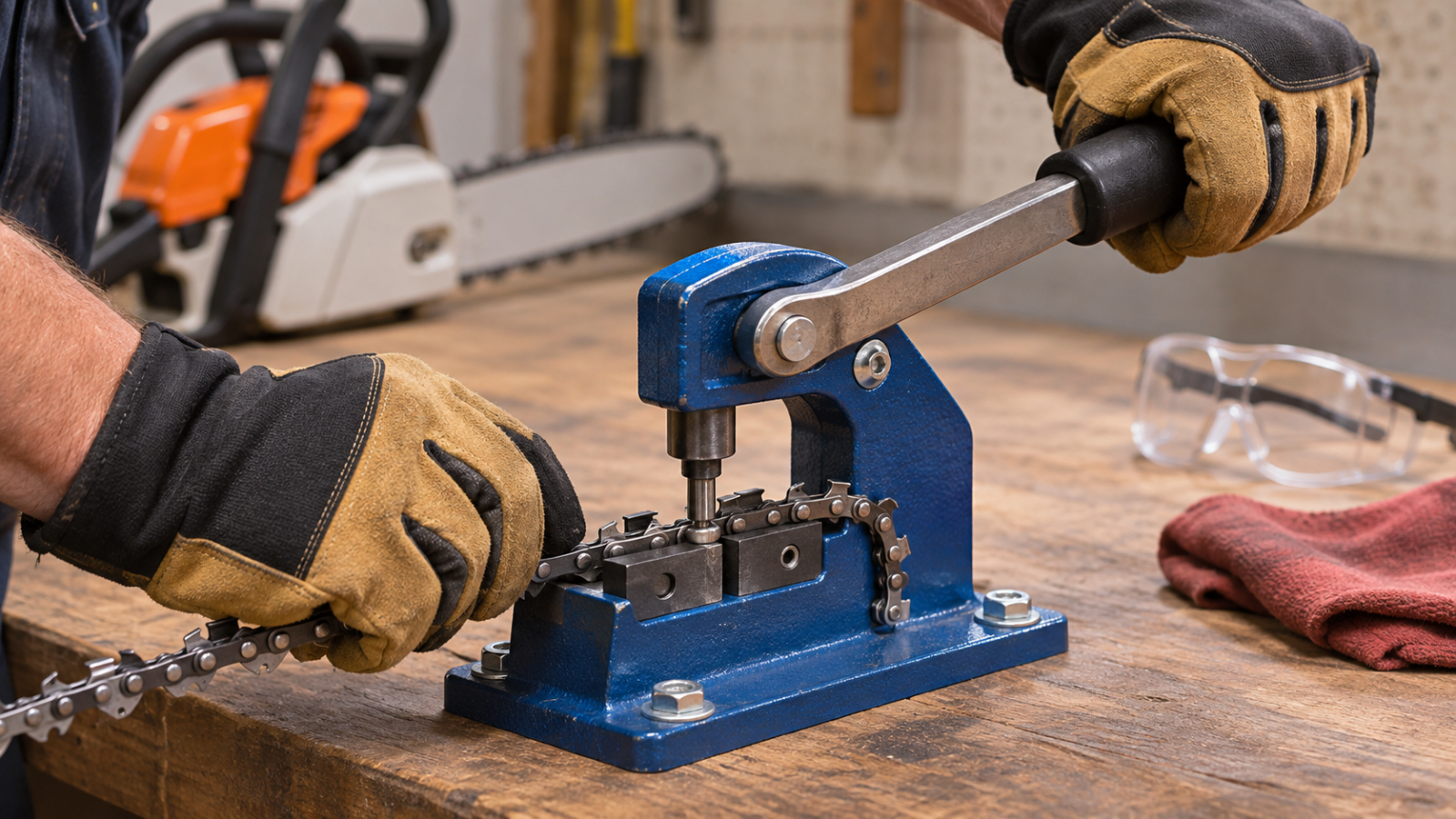
A chainsaw chain breaker is a bench tool that splits a chain by pushing out a rivet, so you can cut a loop to the right length, take out a damaged section, or join a new loop from a roll of chain. Paired with a chain spinner, it lets you make and repair your own chains at home instead of buying every loop ready-made.
This guide covers how to use a chainsaw chain breaker safely, from setting it up to breaking a chain and keeping the tool in good order.
Safety Rules for a Chainsaw Chain Breaker
The first rule of handling equipment, like chain breakers, is to follow the correct safety rules. You should always wear tight-fitting clothing and avoid wearing jewellery or other clothing that can easily get caught.
You should also wear sturdy gloves and sturdy footwear if you're working outdoors or standing on uneven terrain. Chain breaker tools are heavy, mechanical tools, so you must be extra careful.
Another important safety procedure is wearing goggles that protect your eyes from any pieces of material or debris that get removed from the chainsaw breaker tool.
Above all else, you should stay vigilant and cautious when using your chainsaw chain breaker and joiner.
Setting up Your Chainsaw Chain Breaker
When you receive your chainsaw chain breaker, you should inspect the packaging and check that there's no damage to the materials. If you notice that any parts are missing, you need to contact the seller.
You must have all the correct components before you begin assembling the equipment.
As long as everything is accounted for, you can start assembling the chain breaker tool.
Assembling the Chainsaw Chain Breaker
Firstly, you have to ensure the tool is bench-mounted before use. You can use a solid and level workbench to support the material. Remember that this tool is heavy, so you should test the workbench first.
Then, you should follow these steps:
- Mark the workbench with the tool base.
- Drill holes specified in the instructions.
- Mount the base using bolts, washers, and nuts.
- Place the mount breaker lever onto the breaker cam.
- Secure the lever with the appropriate screw.
- Test the tightness.
- Insert the breaker punch onto the tool holder.
- Tighten with a screw and test the chainsaw breaker.
The purpose of this tool is to break apart and reassemble chains for chainsaws, so it's important that you take your time assembling the equipment.
Depending on the product, no matter if you have a Stihl chainsaw breaker tool or another item, you need to follow the individual instructions in the package.
That way, you can ensure the tool is correctly assembled for use.
How to Break a Chain with the Chain Breaker
Once the tool is set up, breaking a chain is straightforward. To split a chain and push out a rivet, work through these steps:
- Fit the chain on the anvil.
- Position the chain under the breaker punch.
- Lower the breaker lever to the breaker punch.
- Pull down the breaker lever and remove the rivet from the chain.
- Observe the placement of the rivet binds and centre them.
- When the rivet is removed, take away the chain.
Again, the instructions might vary from product to product, so it's good to read the assembly and disassembly manual before handling the parts.
Caring Tips for Chainsaw Breaker Tools
You should always keep the chainsaw breaker tool away from young children or visitors if you have a workshop. This protects people from getting injured and secures the tool when it's not in use.
If your tool needs to be repaired, you must order identical parts. The parts need to be identical for the equipment to function correctly.
Use the Tool Correctly
If this is your first time using a chainsaw breaker tool, you should get to know the different parts when you receive the package. For instance, you shouldn't use the tool for anything but assembling and removing chains.
Otherwise, you could break or damage other parts of the chainsaw.
When using the chainsaw breaker tool, you should never force the equipment or place your fingers close to the lever. Instead, try to keep a safe distance and protect yourself from injuries.
And when you're not using the tool, you should place it somewhere safe and secure so children can't reach it. Plus, it protects the equipment from damage or getting broken if left outdoors or in the open.
Clean the Tool
Before using the tool, you should check the parts and ensure nothing is broken. Even if you don't use the tool all the time, it's good to make sure the tool is secure.
This is particularly important if you want to use it frequently for work or personal projects.
To clean the chainsaw breaker tool, you should wipe the equipment with a cloth after use and coat it with a light layer of oil if required.
You should pick a dry, cool location for storing the equipment, as the material can corrode or become rusty if it's too warm.
Final Thoughts: Making and Repairing Your Own Chains
Used properly, a chainsaw chain breaker takes the guesswork out of resizing and repairing chains at home. Mount it on a solid bench, work through the setup, and keep your gloves and goggles on while you push out a rivet. Take your time, follow the manual for your model, and keep the tool clean and dry between jobs. With a bit of practice, breaking and rejoining a chain becomes a quick job rather than a trip to the shop.
A chainsaw chain breaker is a bench tool that splits a chain by pushing out a rivet, so you can cut a loop to the right length, take out a damaged section, or join a new loop from a roll of chain. Paired with a chain spinner, it lets you make and repair your own chains at home instead of buying every loop ready-made.
This guide covers how to use a chainsaw chain breaker safely, from setting it up to breaking a chain and keeping the tool in good order.
Safety Rules for a Chainsaw Chain Breaker
The first rule of handling equipment, like chain breakers, is to follow the correct safety rules. You should always wear tight-fitting clothing and avoid wearing jewellery or other clothing that can easily get caught.
You should also wear sturdy gloves and sturdy footwear if you're working outdoors or standing on uneven terrain. Chain breaker tools are heavy, mechanical tools, so you must be extra careful.
Another essential safety procedure is wearing goggles that protect your eyes from any pieces of material or debris that get removed from the chainsaw breaker tool.
Above all else, you should stay vigilant and cautious when using your chainsaw chain breaker and joiner.
Setting up Your Chainsaw Chain Breaker
When you receive your chainsaw chain breaker, you should inspect the packaging and check that there's no damage to the materials. If you notice that any parts are missing, you need to contact the seller.
You must have all the correct components before you begin assembling the equipment.
As long as everything is accounted for, you can start assembling the chain breaker tool.
Assembling the Chainsaw Chain Breaker
Firstly, you have to ensure the tool is bench-mounted before use. You can use a solid and level workbench to support the material. Remember that this tool is heavy, so you should test the workbench first.
Then, you should follow these steps:
- Mark the workbench with the tool base
- Drill holes specified in the instructions
- Mount the base using bolts, washers, and nuts
- Place the Mount Breaker Lever onto the breaker cam
- Secure the lever with the appropriate screw
- Test the tightness
- Insert the Breaker Punch onto the tool holder
- Tighten with a screw and test the chainsaw breaker
The purpose of this tool is to break apart and reassemble chains for chainsaws, so it's important that you take your time assembling the equipment.
Depending on the product, no matter if you have a Stihl chainsaw breaker tool or another item, you need to follow the individual instructions in the package.
That way, you can ensure the tool is correctly assembled for use.
How to Break a Chain with the Chain Breaker
Once the tool is set up, breaking a chain is straightforward. To split a chain and push out a rivet, work through these steps:
- Fit the chain on the Anvil
- Position the chain under the Breaker Punch
- Lower the Breaker Lever to the Breaker Punch
- Pull down the Breaker Lever and remove the rivet from the chain
- Observe the placement of the rivet binds and centre them
- When the rivet is removed, take away the chain
Again, the instructions might vary from product to product, so it's good to read the assembly and disassembly manual before handling the parts.
Caring Tips for Chainsaw Breaker Tools
You should always keep the chainsaw breaker tool away from young children or visitors if you have a workshop. This protects people from getting injured and secures the tool when it's not in use.
If your tool needs to be repaired, you must order identical parts. The parts need to be identical for the equipment to function correctly.
Use the Tool Correctly
If this is your first time using a chainsaw breaker tool, you should get to know the different parts when you receive the package. For instance, you shouldn't use the tool for anything but assembling and removing chains.
Otherwise, you could break or damage other parts of the chainsaw.
When using the chainsaw breaker tool, you should never force the equipment or place your fingers close to the lever. Instead, try to keep a safe distance and protect yourself from injuries.
And when you're not using the tool, you should place it somewhere safe and secure so children can't reach it. Plus, it protects the equipment from damage or getting broken if left outdoors or in the open.
Clean the Tool
Before using the tool, you should check the parts and ensure nothing is broken. Even if you don't use the tool all the time, it's good to make sure the tool is secure.
This is particularly important if you want to use it frequently for work or personal projects.
To clean the chainsaw breaker tool, you should wipe the equipment with a cloth after use and coat it with a light layer of oil if required.
You should pick a dry, cool location for storing the equipment, as the material can corrode or become rusty if it's too warm.
Final Thoughts: Making and Repairing Your Own Chains
Used properly, a chainsaw chain breaker takes the guesswork out of resizing and repairing chains at home. Mount it on a solid bench, work through the setup, and keep your gloves and goggles on while you push out a rivet. Take your time, follow the manual for your model, and keep the tool clean and dry between jobs. With a bit of practice, breaking and rejoining a chain becomes a quick job rather than a trip to the shop.