Chainsaws are fantastic tools for homeowners in Australia. Many homeowners have experience with using chainsaws for tasks such as cleaning up after storms, cutting firewood for heating, property maintenance, and clearing land for new gardens.
However, a chainsaw is not a casual tool. It operates at high speed, and one wrong move can lead to serious injury in seconds. It demands focus, control, and proper handling every time you use it.
This guide walks you through how to use a chainsaw safely, what protective gear you need, how to check your saw before starting, and the techniques that help prevent injuries.
Please note that this is general information. Always consult your manufacturer’s manual and/or seek professional training prior to operating a chainsaw.
Before You Start: Are You Qualified for the Job?
Before you even fuel your chainsaw, ask yourself one simple question: Is this task within my skill level? What do I know about basic chainsaw safety? Chainsaws are not forgiving. If something goes wrong, it happens quickly.
Know Your Limits
Do not undertake the task if:
- The tree is very large, damaged, broken, or leaning towards structures
- There are overhead power lines nearby
- The ground is steep, slippery, or unstable
- You are tired and unable to concentrate fully
Storm-damaged trees present an increased risk. Branches of fallen trees may be under tension, and dead branches (widow makers) may drop without notice.
If the job feels beyond your ability, call a licensed arborist. They have the right tools and experience to do it safely.
Essential Personal Protective Equipment (PPE)
Chainsaw chains move at very high speed. One small mistake can cause serious injury in seconds. That’s why wearing proper chainsaw PPE isn’t optional.
Helmet with Visor and Hearing Protection
A helmet protects your head from falling objects like branches, flying debris, and the visor protects your face. The added hearing protection helps reduce engine noise, which can reach unsafe decibel levels during prolonged use.
Safety Glasses
In addition to wearing a visor, safety glasses provide additional protection from fine wood chips and dust.
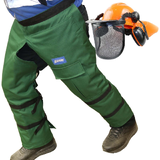
Cut-Resistant Chaps or Chainsaw Pants
These pants are made with special fibers that are capable of jamming a chainsaw chain if it makes contact with your leg.
Steel-Toe Boots with Good Grip
Choose steel-toe boots with non-slip soles because they provide a strong grip, especially if you will be working on wet grass, loose bark, or uneven ground. They also help protect your feet if a log or branch falls.
Gloves
Gloves help you maintain a better grip, reduce vibrations, and protect your hands from splinters and abrasions.
General Rule
No matter the circumstances and how simple the task may appear, never ever operate a chainsaw in shorts, running shoes, or without eye protection.
Most accidents take place when individuals rush through a task and neglect to use the fundamentals.
Pre-Operation Safety Checklist
Safe cutting begins before you start the chainsaw. A properly maintained chainsaw is easier to manage, safer to operate, and far less likely to surprise you during a cut.
A quick check can identify the most common problems.
Check Chain Tension
Ensure the chain sits snugly against the guide bar but does not bind when moved by hand whilst wearing gloves. Do not allow the chain to hang below the bar. If the chain is too loose, it will derail. If too tight, the chain will heat excessively or wear out prematurely.
Check Chain Sharpness
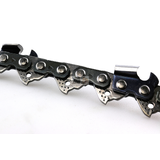
A sharp chainsaw chain cuts efficiently, producing clean wood chips. If you see fine sawdust, experience excessive vibration, or find yourself having to push hard to penetrate the material, the chain is dull. Sharpen or replace the chain before proceeding.
Test the Chain Brake
Activate the chain brake and make sure the chain immediately stops. The chain brake is your primary defense mechanism in the event of a kickback.
Inspect the Bar and Sprocket
Examine the guide bar and sprocket for signs of uneven wear, bar edge burrs, loose nuts, or excessive build-up of debris. Clean and tighten as required.
Check Fuel and Chain Oil
Always use the correct two-stroke fuel mixture for your saw. Make sure the bar oil reservoir is always full. Adequate lubrication will keep the chain cool and minimize wear.
How to Start a Chainsaw Safely?
The most common way a person loses control of their chainsaw is in the first few seconds after they start the machine, not when they are making the cut. A few techniques are important to learn to protect yourself and others from injury when operating a chainsaw.
Safe Starting Methods
There are two primary methods to safely start a chainsaw.
First Method: Ground Start
- Engage the chain brake first by moving the lever with your right hand to the right, so the bar will not move
- Place the saw on a firm surface where the saw will be able to start without slipping
- With your right foot, put the saw into the rear handle to keep it stable
- Hold the front handle with your left hand firmly
- Pull the starter cord with your right hand in a smooth, controlled motion
Second Method: Between-the-Legs Start
- Engage the chain brake
- Hold the saw firmly in your legs
- Hold the front handle with your left hand.
- Pull the starter cord with your right hand
Never Drop-Start a Chainsaw
Dropping the saw and trying to pull the starter cord is a surefire way to lose control of the saw instantly.
After the engine starts, allow it to run for a few seconds. Do not release the chain brake until you have positioned yourself for cutting.
Proper Handling and Body Position
Your ability to properly hold the chainsaw and maintain good body positioning is just as important as keeping the chain sharp.
Always Use Two Hands
Always keep both hands on the saw. Hold the front handle with your left hand. Wrap your fingers completely over the front handle, and lock your thumb under the handle. Holding the front handle this way provides you with the most control of reactive forces (kick-back) when the saw pulls against you.
Maintain Stable Footing
Stand with your feet about shoulder-width apart when you are going to be cutting. Clear loose branches and debris from your footing before you start cutting. Wet grass, bark, and loose soil may create slippery conditions and may result in a fall at the worst time.
Keep the Saw in Front of You
When cutting, always keep the saw in front of you, but slightly to one side of your body, rather than directly in line with your face or chest. This position will give you more control of the saw if it were to react in an unexpected manner.
Avoid Cutting Above Shoulder Height
Cutting overhead takes control of the saw away from you and creates a greater chance of experiencing a kick-back. If a branch is above your head, do not attempt to cut it. Use a pole saw, or hire a professional to perform the task.
Understanding Kickback
If there is one thing you need to understand when learning how to use a chainsaw safely, it is kickback.
Kickback happens when the tip of the guide bar touches wood or another object unexpectedly. When that contact happens, the saw can snap upward and back toward you almost instantly. It happens fast and without warning, which is why proper grip and positioning matter so much.
In addition to kickback, there are other reactive forces you need to be aware of:
- Pull-in: This occurs when the saw grabs onto something and pulls itself forward when you are cutting with the bottom portion of the bar
- Pushback: This happens when you are cutting with the top portion of the bar, and the saw moves back towards you
How to Reduce Kickback Risk
Kickback occurs very rapidly. Good technique and maintaining constant awareness of the saw and its surroundings are the best protections available. Reduce your chances of experiencing a kickback by:
- Not using the tip of the bar
- Keeping your chain sharp and properly tightened
- Using a low kickback chain
- Maintaining a firm two-handed grip
- Standing off to the side, and not directly behind the bar
Safe Cutting Techniques
Let’s go over some of the techniques that promote good use of the saw and reduce the potential for injuries.
Cross-Cutting Logs
When planning to cut crossways through a log lying flat on the ground, take a close inspection of the timber. When timber is subjected to weight, it becomes compressed in one area and stretched in another. Cutting the wrong side first will compress the bar of your saw and pin it down.
Cut from the compression side first, and then make any additional cuts from the opposite side, if necessary. Be sure to provide support for your logs, using either blocks or wedges, to prevent them from rolling. Never stand a log astride or cut between your legs.
Pruning
Be aware of falling limbs, and keep out of the drop zone. Maintain good footing, and be watchful for branches that may rebound due to being pulled taut.
Felling Trees
Felling trees requires experience. Before attempting to fell a tree, you must determine the natural lean of the tree and any wind direction. You also need to identify overhead obstacles. Plan a clear escape route behind you, at a 45-degree angle. Also, be sure to keep anyone else, especially children, at least three times the height of the tree away from the tree and your location.
Common Mistakes That Cause Accidents
Too many injuries happen due to the operator's own errors (not the saw) that could have been avoided with a better understanding of how to use a chainsaw safely and consistent safe operating practices. Some of these include:
- Cutting one-handed
- Not properly maintaining the saw’s cutting chain
- Working while tired or distracted
- Cutting above shoulder height
- Cutting from an elevated position on a ladder
Fatigue is also a large contributor to accidents. The longer you work, the weaker your grip will become, and your reactions will be slower. It is at this point that accidents begin to occur.
Be sure to take breaks throughout your project to refuel both yourself and your equipment. If you feel tired, stop. A stopped project is safer than a rushed one.
After Cutting: Shutdown and Maintenance
While the log may be down, your job isn't done yet. Good safety habits continue after the final cut.
Turn the throttle off and set the brake to stop the chain. Only move the saw once the chain has come to a complete stop. Turn the engine off and let it cool before beginning to clean up.
Clean sawdust and debris from the saw, particularly the clutch cover and bar. Check the condition of the saw's cutting chain, inspect the tension, and look for bar wear. A quick check now can help you catch problems before they become bigger issues next time.
Finally, store the saw in a dry location out of reach of children.
Proper maintenance keeps your chainsaw running reliably, easier to handle, and safer to operate.